NIMASA: After IMO Victory, CVFF Portal Application Launch, What Next?
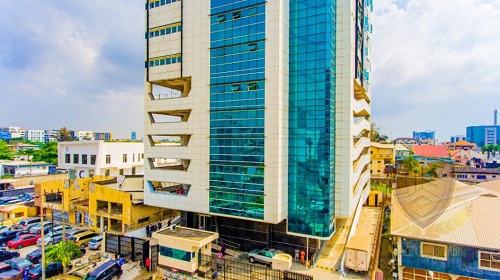
NIMASA HQTS Lagos
By Francis Ugwoke
The year 2025 was indeed a pack of achievements for Nigeria and in particular, the Nigerian Maritime Administration and Safety Agency (NIMASA), as far as global shipping is concerned. After about 14 years, Nigeria finally won the International Maritime Organisation (IMO) Category C election. Nigeria’s bid for the seat was between 2011 and 2021 when it was all post-election misery. The victory late last year therefore gladdened not just the officials of the agency, but also many industry stakeholders. The management of the apex maritime agency did not give any room to suffer another loss in the last election. This time, the agency moved with all forces and resources that paid off at the end of the election November. One can imagine the huge costs to the country. In a determined bid to win the election, the Minister of Marine and Blue Economy, Dr. Adegboyega Oyetola, was not left out, as he was involved in most of the diplomatic engagements with different nations who had voting rights to the election. This to a great extent helped in giving the nation the victory that is being celebrated.
In his reaction, President Bola Ahmed Tinubu was full of praises for NIMASA over the victory, saying this showed “strong affirmation of Nigeria’s growing influence in global maritime governance”. Tinubu added that this was a clear reflection of the type of confidence the international shipping community has in Nigeria in terms of maritime safety, security, environmental stewardship, and rules-based operations.
Similarly, the Minister of Marine and Blue Economy, Dr. Adegboyega Oyetola, described the outcome of the election as a “ landmark endorsement of Nigeria’s maritime reforms”.
To industry watchers, the efforts by the agency in addressing the issue of piracy in both Nigeria’s territorial waters and Gulf of Guinea (GoG) gladdened many maritime nations doing business with Nigeria, and played a prominent part in attracting their votes during the election. For several years, the nation’s waters and that of the GoG were free of pirates, a development that promoted international trade between Nigeria and trading nations. This explains why the IMO as an organization, and many maritime nations were full of commendations to the country for this effort.
However, shortly after the election victory, industry watchers were of the strong view that NIMASA should now focus on other key maritime development efforts. This expectation was followed with key development, the launch of Cabotage Vessel Financing Fund (CVFF) Application Portal, in what industry stakeholders describe as a good development. This move is coming decades after the Cabotage Shipping law was passed. It is also coming after several efforts and outcry that the CVFF should be disbursed. At the event unveiling the portal, Oyetola described the latest effort as a “deliberate and strategic step in repositioning Nigeria’s maritime sector as a central pillar of national development.” According to him, the “launch aligned with the broader national objective of diversifying the economy and unlocking the vast potential of Nigeria’s maritime domain, coastal resources and inland waterways”.
Oyetola confessed, “The maritime sector remains the backbone of global commerce, yet despite Nigeria’s strategic geographic location and vibrant entrepreneurial base, our participation in coastal and inland trade has remained limited,” the Minister said. “A major constraint has been the absence of a functional, credible, and transparent financing framework to support indigenous ship ownership. Today, we are changing that narrative.”
The Minister added, “The CVFF is structured as a strategic development instrument,” he said. “By facilitating access to competitive vessel financing for indigenous operators, we hope to reduce reliance on foreign-flagged vessels in our coastal trade, improve retention of value within the domestic economy, create employment opportunities for Nigerian seafarers, and stimulate growth in allied sectors such as shipbuilding, ship repair, and maritime services.”
The Director General of NIMASA, Dr Dayo Mobereola, told cheering stakeholders that the move reaffirmed the agency’s commitment to ensuring the CVFF delivers on its purpose.
He said that the agency has already established a dedicated CVFF unit to drive implementation, manage applications, coordinate with financial institutions and ensure strict adherence to eligibility, compliance and risk management procedures.
“Our objective is to make the CVFF work as a practical and reliable financing window for Nigerian shipowners to acquire vessels at competitive long-term financing rates,” he said.
The strong wish of industry stakeholders is that the launch of the CVFF application portal should be followed by effective disbursement of the fund.
On how to further develop the industry, industry watchers believe that the apex maritime agency should now come to terms with what happens to the modular floating dock acquired several years ago and currently idling away.
The floating dock was acquired under the tenure of Dr. Dakuku Peters as the Director General of NIMASA in 2018. Since then, the dock has remained idle and guzzling dollars in wastage instead of adding to the purse of the agency. Former DG of NIMASA, Dr. Bashir Jamoh, had made efforts to deploy the dock without success. On assuming office, the present DG of NIMASA, Dr. Dayo Mobereola equally promised to deploy the modular floating dock, but indications are that this is far from being achieved.
Industry watchers are of the view that the agency needs to do more to ensure that the facility which has the capacity to handle 10,000mt of vessels is deployed to action and profitability.
The League of Maritime Editors in a statement believes that this should be part of the targets of the agency for the year. “If the floating dock works, it becomes part of the renewed hope agenda of the President Ahmed Bola Tinubu”, the group said in a statement.
The maritime journalists group equally called on both Ministry of Marine and Blue Economy to now work harder than ever before to ensure that Nigerian shipping lines can take part in crude oil affreghtment as against the current trend in which it is dominated by only foreign firms.
“The current policy is one in which the trade terms is on Free on Board (FOB) as against Cost Insurance and Freight (CIF). The FOB trade term empowers only the foreign buyers of the crude oil products to provide the vessels that move the products. This is disadvantageous to Nigerian shipping companies as the foreign exchange earnings they could have earned from this are denied. We recall past efforts by the agency to address this issue. However, we urge the Ministry of Marine and Blue Economy to spearhead a more positive engagement with the Ministry of Petroleum to ensure that the policy of CIF is introduced. This requires a stronger push to get the political will to achieve. As at 2020, Ship Owners Association of Nigeria (SOAN), and Nigerian Shipowners Association (NISA), had raised concerns that Nigeria was losing over $2trillion annually to foreigners on the FOB arrangement. Again, if achieved, it will be part of the renewed hope of the present administration for indigenous shipping development”.

The year 2025 was indeed a pack of achievements for Nigeria and in particular, the Nigerian Maritime Administration and Safety Agency (NIMASA), as far as global shipping is concerned. After about 14 years, Nigeria finally won the International Maritime Organisation (IMO) Category C election. Nigeria’s bid for the seat was between 2011 and 2021 when it was all post-election misery. The victory late last year therefore gladdened not just the officials of the agency, but also many industry stakeholders. The management of the apex maritime agency did not give any room to suffer another loss in the last election. This time, the agency moved with all forces and resources that paid off at the end of the election November. One can imagine the huge costs to the country. In a determined bid to win the election, the Minister of Marine and Blue Economy, Dr. Adegboyega Oyetola, was not left out, as he was involved in most of the diplomatic engagements with different nations who had voting rights to the election. This to a great extent helped in giving the nation the victory that is being celebrated.
In his reaction, President Bola Ahmed Tinubu was full of praises for NIMASA over the victory, saying this showed “strong affirmation of Nigeria’s growing influence in global maritime governance”. Tinubu added that this was a clear reflection of the type of confidence the international shipping community has in Nigeria in terms of maritime safety, security, environmental stewardship, and rules-based operations.
Similarly, the Minister of Marine and Blue Economy, Dr. Adegboyega Oyetola, described the outcome of the election as a “ landmark endorsement of Nigeria’s maritime reforms”.
To industry watchers, the efforts by the agency in addressing the issue of piracy in both Nigeria’s territorial waters and Gulf of Guinea (GoG) gladdened many maritime nations doing business with Nigeria, and played a prominent part in attracting their votes during the election. For several years, the nation’s waters and that of the GoG were free of pirates, a development that promoted international trade between Nigeria and trading nations. This explains why the IMO as an organization, and many maritime nations were full of commendations to the country for this effort.
However, shortly after the election victory, industry watchers were of the strong view that NIMASA should now focus on other key maritime development efforts. This expectation was followed with key development, the launch of Cabotage Vessel Financing Fund (CVFF) Application Portal, in what industry stakeholders describe as a good development. This move is coming decades after the Cabotage Shipping law was passed. It is also coming after several efforts and outcry that the CVFF should be disbursed. At the event unveiling the portal, Oyetola described the latest effort as a “deliberate and strategic step in repositioning Nigeria’s maritime sector as a central pillar of national development.” According to him, the “launch aligned with the broader national objective of diversifying the economy and unlocking the vast potential of Nigeria’s maritime domain, coastal resources and inland waterways”.
Oyetola confessed, “The maritime sector remains the backbone of global commerce, yet despite Nigeria’s strategic geographic location and vibrant entrepreneurial base, our participation in coastal and inland trade has remained limited,” the Minister said. “A major constraint has been the absence of a functional, credible, and transparent financing framework to support indigenous ship ownership. Today, we are changing that narrative.”
The Minister added, “The CVFF is structured as a strategic development instrument,” he said. “By facilitating access to competitive vessel financing for indigenous operators, we hope to reduce reliance on foreign-flagged vessels in our coastal trade, improve retention of value within the domestic economy, create employment opportunities for Nigerian seafarers, and stimulate growth in allied sectors such as shipbuilding, ship repair, and maritime services.”
The Director General of NIMASA, Dr Dayo Mobereola, told cheering stakeholders that the move reaffirmed the agency’s commitment to ensuring the CVFF delivers on its purpose.
He said that the agency has already established a dedicated CVFF unit to drive implementation, manage applications, coordinate with financial institutions and ensure strict adherence to eligibility, compliance and risk management procedures.
“Our objective is to make the CVFF work as a practical and reliable financing window for Nigerian shipowners to acquire vessels at competitive long-term financing rates,” he said.
The strong wish of industry stakeholders is that the launch of the CVFF application portal should be followed by effective disbursement of the fund.
On how to further develop the industry, industry watchers believe that the apex maritime agency should now come to terms with what happens to the modular floating dock acquired several years ago and currently idling away.
The floating dock was acquired under the tenure of Dr. Dakuku Peters as the Director General of NIMASA in 2018. Since then, the dock has remained idle and guzzling dollars in wastage instead of adding to the purse of the agency. Former DG of NIMASA, Dr. Bashir Jamoh, had made efforts to deploy the dock without success. On assuming office, the present DG of NIMASA, Dr. Dayo Mobereola equally promised to deploy the modular floating dock, but indications are that this is far from being achieved.
Industry watchers are of the view that the agency needs to do more to ensure that the facility which has the capacity to handle 10,000mt of vessels is deployed to action and profitability.
The League of Maritime Editors in a statement believes that this should be part of the targets of the agency for the year. “If the floating dock works, it becomes part of the renewed hope agenda of the President Ahmed Bola Tinubu”, the group said in a statement.
The maritime journalists group equally called on both Ministry of Marine and Blue Economy to now work harder than ever before to ensure that Nigerian shipping lines can take part in crude oil affreghtment as against the current trend in which it is dominated by only foreign firms.
“The current policy is one in which the trade terms is on Free on Board (FOB) as against Cost Insurance and Freight (CIF). The FOB trade term empowers only the foreign buyers of the crude oil products to provide the vessels that move the products. This is disadvantageous to Nigerian shipping companies as the foreign exchange earnings they could have earned from this are denied. We recall past efforts by the agency to address this issue. However, we urge the Ministry of Marine and Blue Economy to spearhead a more positive engagement with the Ministry of Petroleum to ensure that the policy of CIF is introduced. This requires a stronger push to get the political will to achieve. As at 2020, Ship Owners Association of Nigeria (SOAN), and Nigerian Shipowners Association (NISA), had raised concerns that Nigeria was losing over $2trillion annually to foreigners on the FOB arrangement. Again, if achieved, it will be part of the renewed hope of the present administration for indigenous shipping development”.
About Post Author