Nweke: How Nigeria Can Become Africa’s Preferred Maritime Logistics Hub Under Blue Economy
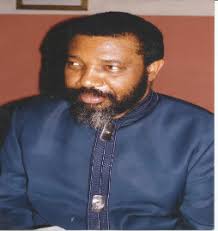
* History will remember us if blue economy is transformed into a catalyst for national prosperity
• As Amiwero recommends public-private partnership(PPP) financing as solution to mobilize capital for ocean related projects
By Francis Ugwoke
The federal government has been asked to look beyond the establishment of the Marine and Blue Economy Ministry but how it can be advanced to ensure that Nigeria assumes the preferred maritime logistics hub in the West African sub-region.
Commending the present administration under President Bola Tinubu for the establishment of the Blue Economy Ministry, Head of Research, Sea Empowerment Centre (SEREC). Eugene Nweke described the establishment of the Ministry as a bold and visionary decision.
He said that with the Ministry, the federal government created an institutional platform capable of repositioning the maritime sector as a driver of economic diversification
But Nweke who spoke on the occasion of the 21ST Anniversary Transquest Lecture/Awards Ceremony held in Lagos weekend, argued that institutions, policies and budgets alone do not create prosperity.
He argued that prosperity emerges when institutions collaborate, policies are consistently implemented , investments are strategically aligned and performance is deliberately measured.
Nweke advised that the national task is to move from institutional creation to institutional integration, from policy declarations to measurable implementation, and from maritime potential to maritime productivity.
Nweke added, “the future of Nigeria’s blue economy will be determined less by the abundance of its marine resources than by the quality of the governance architecture that coordinates, regulates and develops those resources. In other words, the true currency of a successful blue economy is not geography alone, it is governance.
He further posed the question: “accordingly, the question we ask is: how rich is Nigeria’s blue economy, let us begin asking, how productive is Nigeria ‘s blue economy,, that single shift in perspective can redefine our national priorities”
He further argued that what the country must strengthen is governance, adding that the nation’s ports should become gateways of competitiveness, “our waterways should become corridors of commerce, our marine resources should become engines of sustainable prosperity, our institutions should become partners in national development rather than isolated centres of authority”
He added that history will not remember us because we established a Ministry of Marine and Blue Economy. History will remember us if we transformed that Ministry into a catalyst for national prosperity.
In his paper titled “Re-appraising Nigeria’s Blue Economy: Charting a Path to Sustainable Growth, the President of National Council of Managing Directors of Customs Agents (NCMDCA), Mr Lucky Amiwero described blue economy as relating to exploitation, preservation and regeneration of the marine environment in what will include a wide range of economic sector.
Amiwero identified “fisheries, Aquaculture, Maritime Transport, coastal, Marine and Maritime Tourism, coastal Renewable Energy, marine Ecosystem service, blue Caborn, Seabed mining and Bioprospecting and Biotechnology” as part of the components of blue economy.
He pointed out the immense potential of ocean and freshwater resources, adding that this necessitated the protection and conservation of rivers and lakes, and extensive other resources to ensure they remain healthy and productive
To this effect, Amiwero said this has become one of the most important tenets of the blue economy.
He described the “Blue Economy” as a major drivers of urban and regional
development, creating millions of local jobs in sectors such as
Fisheries, Tourism and Shipping
He said, “The concept seeks to promote economic growth, social inclusion, and the preservation or improvement of livelihoods, while at the same time ensuring environmental sustainability of the oceans areas, at its core, it refers to the decoupling of socio economic development through oceans-related sectors and activities from environmental and ecosystem degradation
”A sustainable blue economy is a marine-based economy that, provides social economic benefit for current and future generations by contributing to foods security, poverty eradication, livelihoods, income, employment, health, safety, equity, and
political stability”
Amiwero, however, argued that the “Blue Economy” initiatives depend on access to sustainable financing and investment to record huge success.
He recommended financing mechanism as
public-private partnership(PPP) as emerging solution to
mobilize capital for ocean related projects, while ensuring
environmental and social safeguards.
In his welcome address, the Publisher of Transquest Magazine, Mr Felix Kumuyi, said that over the past two decades, the TransQuest Annual Lecture has evolved into one of the industry’s respected intellectual platforms where critical national issues are interrogated, ideas exchanged and practical solutions proposed.
“We remain proud that our contributions have consistently enriched conversations around transportation, maritime development, trade facilitation and national economic growth”, he said.
Kumuyi added that the Blue Economy has rightly emerged as one of Nigeria’s most promising frontiers for economic diversification, employment generation and sustainable national development.
He pointed out that beyond our ports and shipping activities lies an enormous wealth embedded in our oceans, inland waterways, fisheries, aquaculture, marine tourism, coastal resources, renewable marine energy and maritime services.
The creation of the Federal Ministry of Marine and Blue Economy has undoubtedly signaled government’s recognition of this immense potential, he stated,
But Kumuyi said, “However, creating institutions is only the beginning. The real challenge lies in developing coherent policies, modern infrastructure, efficient port systems, robust maritime security, environmental sustainability, human capacity development and an investment-friendly regulatory environment capable of unlocking the sector’s full value.
“As a maritime nation strategically positioned on the Gulf of Guinea, Nigeria possesses every natural advantage to become Africa’s leading Blue Economy hub. Yet, many of these opportunities remain underutilized due to infrastructure deficits, policy inconsistencies, regulatory bottlenecks, inadequate financing and limited coordination among stakeholders.
“It is therefore imperative that government, regulators, investors, development partners, academia and industry operators work collaboratively to transform our vast marine resources into sustainable engines of economic prosperity”.

• As Amiwero recommends public-private partnership(PPP) financing as solution to mobilize capital for ocean related projects
By Francis Ugwoke
The federal government has been asked to look beyond the establishment of the Marine and Blue Economy Ministry but how it can be advanced to ensure that Nigeria assumes the preferred maritime logistics hub in the West African sub-region.
Commending the present administration under President Bola Tinubu for the establishment of the Blue Economy Ministry, Head of Research, Sea Empowerment Centre (SEREC). Eugene Nweke described the establishment of the Ministry as a bold and visionary decision.
He said that with the Ministry, the federal government created an institutional platform capable of repositioning the maritime sector as a driver of economic diversification
But Nweke who spoke on the occasion of the 21ST Anniversary Transquest Lecture/Awards Ceremony held in Lagos weekend, argued that institutions, policies and budgets alone do not create prosperity.
He argued that prosperity emerges when institutions collaborate, policies are consistently implemented , investments are strategically aligned and performance is deliberately measured.
Nweke advised that the national task is to move from institutional creation to institutional integration, from policy declarations to measurable implementation, and from maritime potential to maritime productivity.
Nweke added, “the future of Nigeria’s blue economy will be determined less by the abundance of its marine resources than by the quality of the governance architecture that coordinates, regulates and develops those resources. In other words, the true currency of a successful blue economy is not geography alone, it is governance.
He further posed the question: “accordingly, the question we ask is: how rich is Nigeria’s blue economy, let us begin asking, how productive is Nigeria ‘s blue economy,, that single shift in perspective can redefine our national priorities”
He further argued that what the country must strengthen is governance, adding that the nation’s ports should become gateways of competitiveness, “our waterways should become corridors of commerce, our marine resources should become engines of sustainable prosperity, our institutions should become partners in national development rather than isolated centres of authority”
He added that history will not remember us because we established a Ministry of Marine and Blue Economy. History will remember us if we transformed that Ministry into a catalyst for national prosperity.
In his paper titled “Re-appraising Nigeria’s Blue Economy: Charting a Path to Sustainable Growth, the President of National Council of Managing Directors of Customs Agents (NCMDCA), Mr Lucky Amiwero described blue economy as relating to exploitation, preservation and regeneration of the marine environment in what will include a wide range of economic sector.
Amiwero identified “fisheries, Aquaculture, Maritime Transport, coastal, Marine and Maritime Tourism, coastal Renewable Energy, marine Ecosystem service, blue Caborn, Seabed mining and Bioprospecting and Biotechnology” as part of the components of blue economy.
He pointed out the immense potential of ocean and freshwater resources, adding that this necessitated the protection and conservation of rivers and lakes, and extensive other resources to ensure they remain healthy and productive
To this effect, Amiwero said this has become one of the most important tenets of the blue economy.
He described the “Blue Economy” as a major drivers of urban and regional
development, creating millions of local jobs in sectors such as
Fisheries, Tourism and Shipping
He said, “The concept seeks to promote economic growth, social inclusion, and the preservation or improvement of livelihoods, while at the same time ensuring environmental sustainability of the oceans areas, at its core, it refers to the decoupling of socio economic development through oceans-related sectors and activities from environmental and ecosystem degradation
”A sustainable blue economy is a marine-based economy that, provides social economic benefit for current and future generations by contributing to foods security, poverty eradication, livelihoods, income, employment, health, safety, equity, and
political stability”
Amiwero, however, argued that the “Blue Economy” initiatives depend on access to sustainable financing and investment to record huge success.
He recommended financing mechanism as
public-private partnership(PPP) as emerging solution to
mobilize capital for ocean related projects, while ensuring
environmental and social safeguards.
In his welcome address, the Publisher of Transquest Magazine, Mr Felix Kumuyi, said that over the past two decades, the TransQuest Annual Lecture has evolved into one of the industry’s respected intellectual platforms where critical national issues are interrogated, ideas exchanged and practical solutions proposed.
“We remain proud that our contributions have consistently enriched conversations around transportation, maritime development, trade facilitation and national economic growth”, he said.
Kumuyi added that the Blue Economy has rightly emerged as one of Nigeria’s most promising frontiers for economic diversification, employment generation and sustainable national development.
He pointed out that beyond our ports and shipping activities lies an enormous wealth embedded in our oceans, inland waterways, fisheries, aquaculture, marine tourism, coastal resources, renewable marine energy and maritime services.
The creation of the Federal Ministry of Marine and Blue Economy has undoubtedly signaled government’s recognition of this immense potential, he stated,
But Kumuyi said, “However, creating institutions is only the beginning. The real challenge lies in developing coherent policies, modern infrastructure, efficient port systems, robust maritime security, environmental sustainability, human capacity development and an investment-friendly regulatory environment capable of unlocking the sector’s full value.
“As a maritime nation strategically positioned on the Gulf of Guinea, Nigeria possesses every natural advantage to become Africa’s leading Blue Economy hub. Yet, many of these opportunities remain underutilized due to infrastructure deficits, policy inconsistencies, regulatory bottlenecks, inadequate financing and limited coordination among stakeholders.
“It is therefore imperative that government, regulators, investors, development partners, academia and industry operators work collaboratively to transform our vast marine resources into sustainable engines of economic prosperity”.
About Post Author