Communiqué Recommends How to Check High Ports Charges, Monitor Ports Efficiency in Nigeria
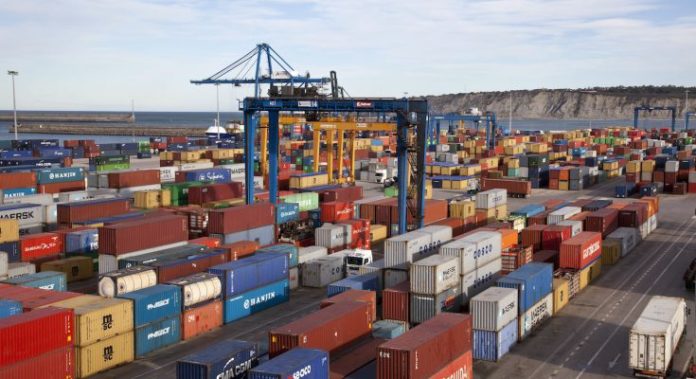
NIGERIAN PORTS
Preamble
This communiqué reflects the discussions, outcomes and resolutions of the TransQuest 20 Years of Media Excellence Seminar/Awards, held on Saturday, December 6, 2025, at the Lagos Airport Hotel, Ikeja.
The theme of the seminar was “Leveraging Nigeria’s Maritime Potential to Drive Economic Growth.”
The event featured a keynote address by Prof. Iyiola Oni, and robust technical interventions from seasoned maritime expert Mr. Lucky Amiwero, alongside other distinguished speakers and industry stakeholders.
Key Issues Discussed
Participants further observed the following
Nigeria’s ports are largely unregulated, with no effective framework ensuring competitiveness, efficiency and fairness in pricing or operations.
Port charges in Nigeria remain among the highest in the world, contributing to high cost of doing business and making Nigerian ports unattractive.
The Cabotage Act is not functioning as intended, and critical provisions require urgent review. The Act was designed to build capacity for indigenous shipowners, but this objective remains unachieved.
The Ministry of Marine and Blue Economy lacks clarity, as the blue economy spans multiple ministries—including fisheries, agriculture and environment—leading to structural overlap and confusion.
Shipping companies in Nigeria operate without adequate regulatory oversight, and the Nigerian Shippers’ Council is not fully performing its regulatory mandate.
What Nigeria currently operates in port administration is lease agreements, not true concession agreements, limiting efficiency, investment, and accountability.
Neighbouring countries—particularly Ghana—are advancing faster, while Nigeria struggles with outdated systems and obsolete port structures.
Nigeria does not need multiple underperforming ports, but rather one strong transshipment port that can compete globally.
Most Nigerian ports are river ports with shallow drafts; many were established for political reasons and cannot be dredged beyond certain limits, limiting vessel calls and port operations.
Cargo throughput has declined significantly, reflecting loss of competitiveness.
The overall management of Nigerian ports is poor, and fragmentation across agencies limits efficiency, investment and employment creation.
The fleet expansion mandate under NIMASA’s enabling Act is not being implemented, undermining indigenous shipping capacity and economic expansion.
Resolutions & Recommendations
Participants agreed on the following resolutions:
Urgent regulatory overhaul of the Nigerian ports system, with clear authority assigned to a strong, independent regulator to monitor port efficiency, pricing and shipping company operations.
Reduction and rationalisation of port charges to make Nigerian ports competitive in the West and Central African region.
Review and amendment of the Cabotage Act, to restore its original purpose of building indigenous shipping capacity, ensuring full implementation and accountability.
Clarification of the structure and mandate of the Marine and Blue Economy Ministry, ensuring proper inter-ministerial coordination and elimination of overlapping responsibilities.
Empowerment of the Nigerian Shippers’ Council to fully discharge its role as the port economic regulator, including oversight of shipping companies and terminal operators.
Reassessment of Nigeria’s port concession model, with a shift from lease-style arrangements to globally accepted concession frameworks that guarantee efficiency, investment and measurable performance.
Development of a world-class transshipment hub, rather than establishing multiple shallow-draft ports that cannot support large vessels or deep-sea operations.
Comprehensive review of river ports, with emphasis on technical feasibility, dredging limitations, and economic justification.
Revival of Nigeria’s cargo throughput through improved efficiency, better hinterland connectivity, reduced costs and improved security.
Strengthening of port management systems, harmonising the roles of NPA, NIMASA, NIWA, NSC and other agencies to eliminate duplication and enhance coordination.
Immediate activation of the fleet expansion programme under NIMASA, including implementation of the statutory framework to support indigenous shipowners.
Disbursement of the CVFF in line with the law, with strict transparency and accountability.
Prioritisation of maritime tourism development, leveraging PPPs and modern infrastructure to create jobs and attract investment.
Accelerated development of the blue economy, through fisheries expansion, aquaculture, renewable energy, cold-chain logistics and coastal tourism.
Conclusion
Participants commended TransQuest for providing an important national platform for maritime sector dialogue. They called for sustained engagement with policymakers and stronger collaboration among stakeholders to reposition Nigeria as a true maritime and blue economy hub in West and Central Africa.

This communiqué reflects the discussions, outcomes and resolutions of the TransQuest 20 Years of Media Excellence Seminar/Awards, held on Saturday, December 6, 2025, at the Lagos Airport Hotel, Ikeja.
The theme of the seminar was “Leveraging Nigeria’s Maritime Potential to Drive Economic Growth.”
The event featured a keynote address by Prof. Iyiola Oni, and robust technical interventions from seasoned maritime expert Mr. Lucky Amiwero, alongside other distinguished speakers and industry stakeholders.
Key Issues Discussed
Participants further observed the following
Nigeria’s ports are largely unregulated, with no effective framework ensuring competitiveness, efficiency and fairness in pricing or operations.
Port charges in Nigeria remain among the highest in the world, contributing to high cost of doing business and making Nigerian ports unattractive.
The Cabotage Act is not functioning as intended, and critical provisions require urgent review. The Act was designed to build capacity for indigenous shipowners, but this objective remains unachieved.
The Ministry of Marine and Blue Economy lacks clarity, as the blue economy spans multiple ministries—including fisheries, agriculture and environment—leading to structural overlap and confusion.
Shipping companies in Nigeria operate without adequate regulatory oversight, and the Nigerian Shippers’ Council is not fully performing its regulatory mandate.
What Nigeria currently operates in port administration is lease agreements, not true concession agreements, limiting efficiency, investment, and accountability.
Neighbouring countries—particularly Ghana—are advancing faster, while Nigeria struggles with outdated systems and obsolete port structures.
Nigeria does not need multiple underperforming ports, but rather one strong transshipment port that can compete globally.
Most Nigerian ports are river ports with shallow drafts; many were established for political reasons and cannot be dredged beyond certain limits, limiting vessel calls and port operations.
Cargo throughput has declined significantly, reflecting loss of competitiveness.
The overall management of Nigerian ports is poor, and fragmentation across agencies limits efficiency, investment and employment creation.
The fleet expansion mandate under NIMASA’s enabling Act is not being implemented, undermining indigenous shipping capacity and economic expansion.
Resolutions & Recommendations
Participants agreed on the following resolutions:
Urgent regulatory overhaul of the Nigerian ports system, with clear authority assigned to a strong, independent regulator to monitor port efficiency, pricing and shipping company operations.
Reduction and rationalisation of port charges to make Nigerian ports competitive in the West and Central African region.
Review and amendment of the Cabotage Act, to restore its original purpose of building indigenous shipping capacity, ensuring full implementation and accountability.
Clarification of the structure and mandate of the Marine and Blue Economy Ministry, ensuring proper inter-ministerial coordination and elimination of overlapping responsibilities.
Empowerment of the Nigerian Shippers’ Council to fully discharge its role as the port economic regulator, including oversight of shipping companies and terminal operators.
Reassessment of Nigeria’s port concession model, with a shift from lease-style arrangements to globally accepted concession frameworks that guarantee efficiency, investment and measurable performance.
Development of a world-class transshipment hub, rather than establishing multiple shallow-draft ports that cannot support large vessels or deep-sea operations.
Comprehensive review of river ports, with emphasis on technical feasibility, dredging limitations, and economic justification.
Revival of Nigeria’s cargo throughput through improved efficiency, better hinterland connectivity, reduced costs and improved security.
Strengthening of port management systems, harmonising the roles of NPA, NIMASA, NIWA, NSC and other agencies to eliminate duplication and enhance coordination.
Immediate activation of the fleet expansion programme under NIMASA, including implementation of the statutory framework to support indigenous shipowners.
Disbursement of the CVFF in line with the law, with strict transparency and accountability.
Prioritisation of maritime tourism development, leveraging PPPs and modern infrastructure to create jobs and attract investment.
Accelerated development of the blue economy, through fisheries expansion, aquaculture, renewable energy, cold-chain logistics and coastal tourism.
Conclusion
Participants commended TransQuest for providing an important national platform for maritime sector dialogue. They called for sustained engagement with policymakers and stronger collaboration among stakeholders to reposition Nigeria as a true maritime and blue economy hub in West and Central Africa.
About Post Author