FG Must Do More Than Policy Papers in National Maritime Prosperity Agenda – SEREC

• CVFF must drive fleet ownership, manpower’
By Francis Ugwoke
Head of Research, Sea Empowerment and Research Center (SEREC), Dr. Eugene Nweke has said that the federal government must live up to expectations in indigenous shipping development and not just policy papers.
Nweke said that though Nigeria is a maritime-dependent economy with over 90% of trade moved by sea, yet indigenous shipping participation is less than percent.
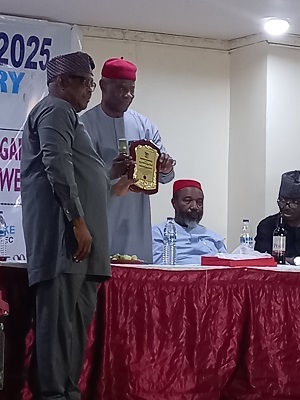
Speaking on the occasion of the 30th anniversary celebration by Port News in Lagos, Nweke identified a number of gaps in indigenous shipping in Nigeria.
Noting that Cabotage Act was passed in 2003, he said fleet ownership by Nigerians has not been anything to write home about.
He noted a deficit in fleet ownership from 24 in 2005 to 4 active vessels as at last year, adding that there has been foreign dominance,
According to him, cargoes carried by foreign liners are about 95% , stating that estimated annual loss in freight revenue is $6–8bn.
Insisting that the gap is not from legislation but from weak governance and coordination, Nweke said the disbursement of Cabotage Vessel Financing Fund (CVFF) remains critical.
He said that though over $350 million accrued in CVFF, no major disbursement in 18 years.
He expressed dismay that this has been due to bureaucratic, political bottlenecks, weak accountability and opaque fund management..
Nweke said the negative effect has been that no new indigenous fleet with
declining investor confidence and continuous foreign dominance.
He called on the federal government to ensure that CVFF becomes realistic from policy limbo to economic stimulus.
He added that disbursement of CVFF and its utilization by indigenous shipping companies will address the issue of fading manpower.
He said that the current situation is that over 4,000 trained seafarers are yet to be utilized as a result of limited sea-time opportunities.
He said this is because there is no national fleet to absorb cadets, a situation which according to him is creating weak industry with consequent regulatory gaps and poor succession planning.
Nweke added that this creates room for Nigeria to risk losing its global manpower competitiveness.
Nweke added, “Nigeria stands at a maritime policy crossroads.
“Bridging shipping carriage gaps requires financing will and leadership discipline.
“ CVFF must drive fleet ownership; manpower must anchor sustainability”.
About Post Author